
By Anca Jalba
I was not looking for a perfume. I was barely looking for anything.
It was the tail end of a burnout that had been building for a long time — the kind where your body keeps showing up to things but the rest of you has already left. One afternoon, I walked into a perfume store. Not with any particular intention. I just walked in.
I picked up a bottle at random and smelled it. Something happened that I could not explain. A strange, quiet pull — like a door opening somewhere inside me. I put the bottle down and left.
But I kept coming back. Over the following weeks, I returned to that store again and again, and each time I smelled the same perfume. It took more than ten visits before I finally understood what it was doing to me.
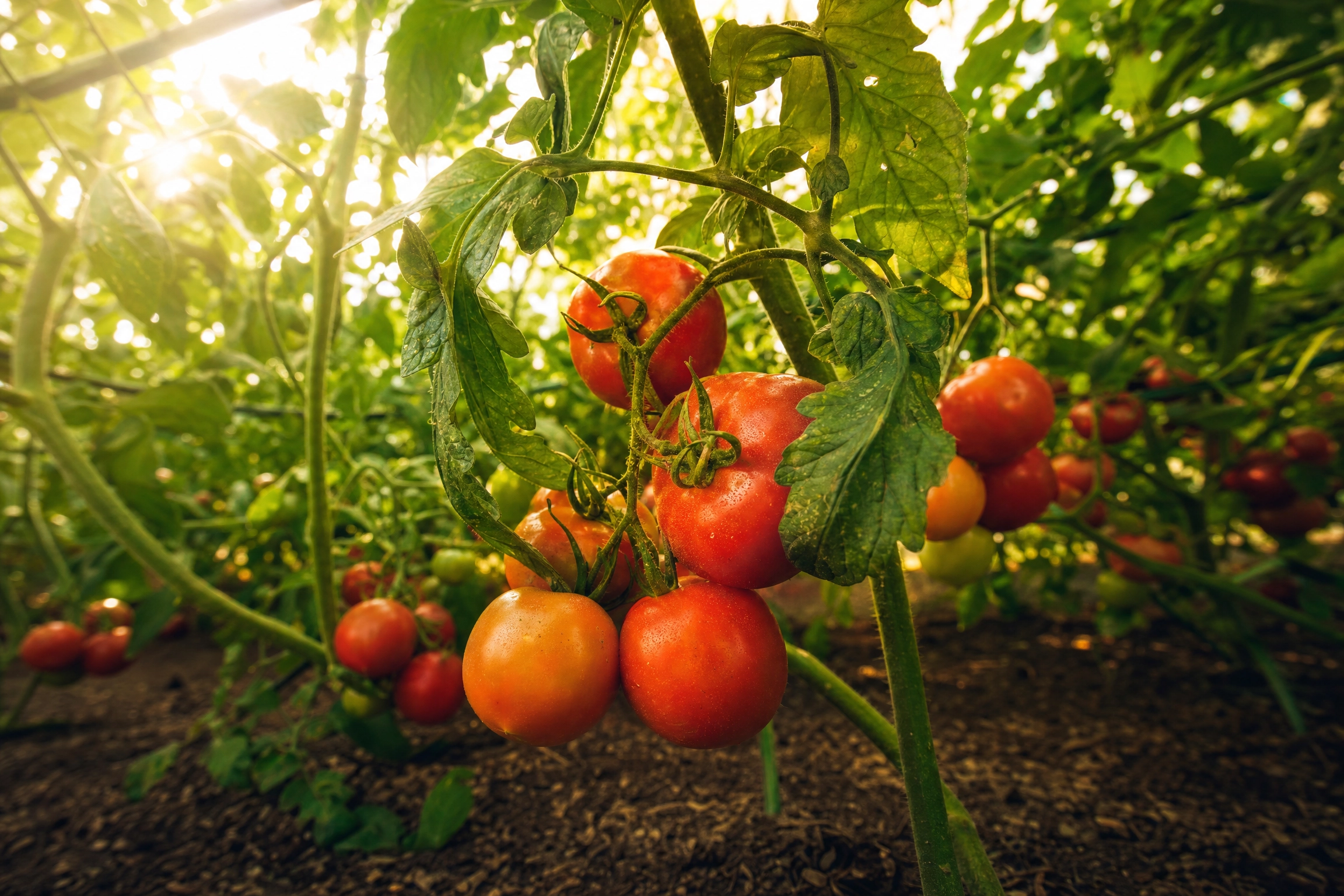
It smelled like my grandmother's garden. Not a general "green" smell, not "something floral." It was her garden. The warm earth between the rows. The sharp, peppery scent of tomato leaves in the afternoon sun. The particular sweetness of fruit that has been ripening all day in silence.
I had not consciously thought about that garden in years. But my nose had never forgotten it. And in that perfume store, without warning, I was standing in it again — completely safe, completely held, completely myself.
My eyes filled with tears before my mind had caught up.
The shortcut
Here is what I did not know then, but have since spent a great deal of time learning — studying the science of smell and immersing myself in the perfume industry: smell is the only sense that bypasses the thinking brain entirely.
Every other sense — sight, sound, touch, taste — passes through the thalamus, the brain's central relay station, before reaching the areas that process emotion and memory. Smell skips the queue. Odour molecules travel directly to the olfactory bulb, which connects immediately to the amygdala (where emotion lives) and the hippocampus (where memories are formed and retrieved).
This is not a metaphor. It is architecture. Your nose has a direct line to the part of your brain that holds your life story — and it does not ask permission before dialling.
This is why a smell can make your chest tighten before you know why. Why it can make you feel homesick for a place you have not thought about in years. Why it can undo you in public, without warning, in the most beautiful way.
Proust was right (and early)
In 1913, Marcel Proust wrote a scene that neuroscience would spend the next century confirming.
His narrator dips a madeleine into lime-blossom tea, and the taste — carried largely by smell — transports him instantaneously and involuntarily to his childhood. Not as a vague recollection, but as a full-body experience. The room, the light, the feeling of being small and loved.
"The past is hidden somewhere outside the realm of intellect, in some material object which we do not suspect."
Proust did not have an fMRI machine. But he understood something essential: that our most vivid memories are not stored in words or images. They are stored in sensation — and smell is the most powerful key we have to unlock them.
Neuroscientists now call this the Proust Effect: the phenomenon by which olfactory-triggered memories are more emotionally intense, more specific, and more likely to transport us to a particular time and place than memories triggered by any other sense.
The part nobody tells you
Here is what the perfume industry almost never says: fragrance is not something you can choose in five minutes at a counter.
Think about it. The scents that have shaped you most — your mother's skin, a specific kitchen, the air in a particular country — were not selected. They were lived. They accumulated over time, without your awareness, and became part of your emotional architecture.
A perfume needs the same thing. It needs time. It needs to be worn on your skin, in your life, through your hours. A scent strip in a department store tells you almost nothing about what a fragrance will become when it meets your body chemistry, your warmth, your particular Tuesday afternoon.
This is why so many people buy perfumes they stop wearing after a week. It is not that the perfume was bad. It is that the decision was made too fast, in a context that had nothing to do with their real life.
The perfumes that stay — the ones that become genuinely yours — are the ones you discover slowly. The ones that surprise you on the third or even tenth wearing. The ones that someone leans in and asks about. The ones that, years from now, will smell like this exact chapter of your life.
Why this matters to me
I did not start Scent Stories because I wanted to sell perfume. I started it because a smell reached me when nothing else could.
During my burnout, I had tried everything the rational mind offers: plans, habits, therapy, rest. All useful. None of them touched the thing underneath — the part of me that had forgotten what safety felt like, what home felt like.
A perfume did that. Without asking.
That experience changed how I understood fragrance entirely. Perfume is not decoration. It is not a finishing touch. It is one of the most direct routes we have to our own inner life — and most of us have never been taught to use it with any intention at all.
A different kind of invitation
I am not going to end this by telling you to buy something. I am going to end it with a question.
Is there a smell — not a perfume, just a smell — that takes you somewhere? A kitchen. A season. A person. A version of yourself you miss.
If you can name it, you already understand what I am building. The idea that fragrance is not about trends or notes or what a magazine recommends this season. It is about you — your memories, your chapters, your life as it actually smells.
And if you want to explore that — slowly, intentionally, on your own skin and in your own time — that is exactly what Scent Stories is for.
Anca Jalba is the founder of Scent Stories, an Oslo-based niche perfumery built on the connection between scent and memory.
scentstories.shop · @scentstories.shop
Share:
Test #3
Remembering Better